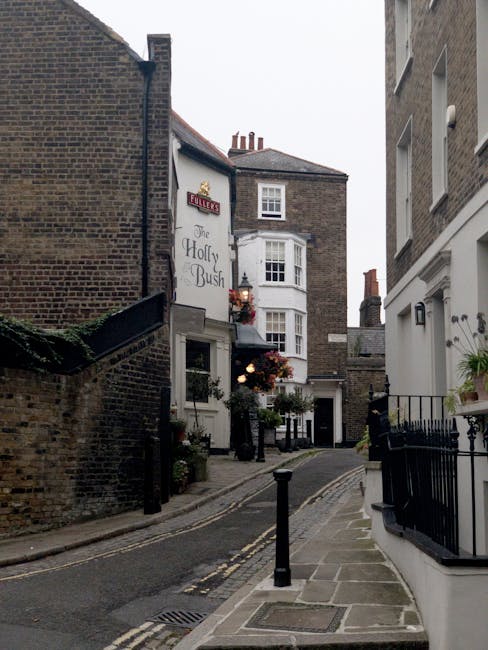
Steep stairs and narrow streets impact West Hampstead removals
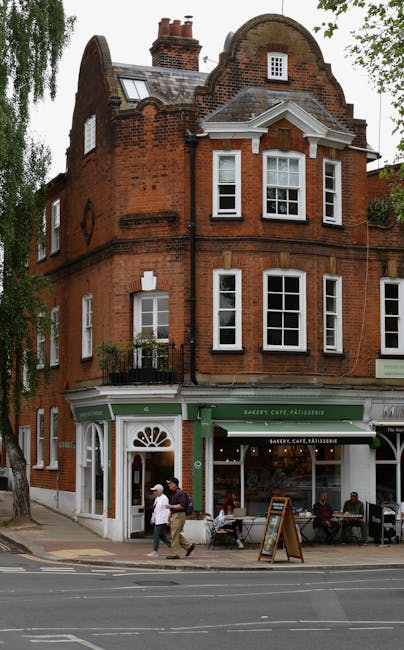
If you are moving in West Hampstead, you will probably notice one thing very quickly: the property and street layout can make a perfectly normal move feel a bit more like a puzzle. Steep staircases, tight landings, parked cars, and narrow residential roads all change how a removal day works. That is exactly why understanding how steep stairs and narrow streets impact West Hampstead removals matters before the first box is lifted.
In practice, these conditions affect everything from vehicle access and loading times to the type of team you need, the packing method, and how safely bulky furniture can be carried. The good news? With the right planning, the move can still be calm, orderly, and efficient. This guide breaks it down in plain English, so you can make sensible choices and avoid the little headaches that tend to snowball on moving day. Truth be told, it is usually the staircase, not the sofa, that causes the drama.
- Why this matters locally
- How access issues change the move
- Benefits of planning for difficult access
- Who this advice is for
- Step-by-step moving guidance
- Expert tips for better results
- Common mistakes to avoid
- Tools, resources and recommendations
- Law, compliance and best practice
- Options and comparison table
- Real-world example
- Practical checklist
- Conclusion
- Frequently asked questions
Why Steep stairs and narrow streets impact West Hampstead removals Matters
West Hampstead has a mix of mansion blocks, converted flats, Victorian terraces, period maisonettes, and compact streets that were never designed with modern furniture in mind. That does not mean removals are difficult by default, but it does mean access has a real influence on time, safety, and the overall shape of the job.
Steep stairs can slow down carrying, especially with wardrobes, mattresses, washing machines, or anything awkwardly balanced. Narrow streets can make parking and loading trickier, especially if a removal van cannot stop right outside. If the vehicle has to sit further away, every item takes longer to move, and the team has to plan for extra walking distance, extra care, and sometimes extra hands.
It also affects the customer experience. A move that looks straightforward on paper can become stressful if the team turns up expecting easy access and finds a tight stairwell, a sharp bend on the landing, and nowhere obvious to park. That mismatch is where delays, damage, and frustration often begin. Nobody wants a scratched banister at 8:15 in the morning.
From a commercial point of view, access is part of the move, not an afterthought. Good removals planning in West Hampstead means accounting for building layout, road width, nearby traffic, lifting angles, and the order in which items come down or go up. That is the difference between a smooth day and a scramble.
How Steep stairs and narrow streets impact West Hampstead removals Works
The impact usually shows up in three places: the route from the property to the van, the speed of handling, and the type of equipment or crew needed. Once you look at the move that way, the practical implications become a lot clearer.
1. Access to the property
Steep internal stairs require controlled carrying. That means more pauses, better grip, and a less aggressive pace. For larger items, the route itself may need checking before the move. A sofa that fits through the front door may still fail at the stair turn, so the team needs to measure and think ahead rather than just hope for the best.
2. Parking and loading on narrow streets
Narrow roads in West Hampstead can limit where a van can wait safely. Sometimes there is room only for a short stop, or the vehicle has to park a little farther away because of congestion, residents' bays, or practical obstruction. That adds carrying time and may require temporary staging, where items are grouped by the door before being loaded efficiently.
3. Handling and protection
When spaces are tight, there is less margin for error. Corners, railings, door frames, and light fittings become part of the risk picture. Removal teams often rely on protective blankets, straps, trolleys where suitable, and careful item sequencing. In a tight stairwell, a good carrier is thinking two moves ahead, not just the next step.
4. Scheduling and labour planning
A move with difficult access usually takes longer than a similar-sized move with easy parking and a lift. That does not mean it becomes expensive or unmanageable, but the timetable needs to be realistic. More time may be needed for dismantling furniture, carrying items in stages, or placing a larger item through a narrow landing one cautious turn at a time.
5. Communication with the removal team
This part is underrated. A simple description like "top-floor flat with steep stairs and no direct parking" is much more useful than "standard flat move". If the team knows the access situation before arrival, they can bring the right vehicle, enough staff, and the proper packing materials. That one detail can save half an hour or more, sometimes quite a bit more.
Key Benefits and Practical Advantages
At first glance, steep stairs and narrow streets sound like pure obstacles. But if you plan for them properly, there are some real advantages to that kind of preparation.
- Safer handling: planning reduces rushed carrying and awkward lifting.
- Fewer delays: the team knows where to park, how to approach the property, and what to move first.
- Better protection for belongings: bulky or fragile items are less likely to be knocked around.
- Lower stress on the day: nobody is standing on the pavement trying to work out where the van can go.
- More accurate pricing: a clear access picture helps avoid last-minute changes.
There is another benefit people sometimes miss: better decision-making. Once you understand how access affects the move, you can decide whether you need additional packing, dismantling, temporary storage, or a more compact vehicle setup. That is especially useful for flat moves, student moves, and house removals in built-up parts of West Hampstead.
And yes, the move may still feel busy. But busy is manageable. Chaotic is the thing we are avoiding here.
Who This Is For and When It Makes Sense
This topic matters to anyone moving to, from, or within West Hampstead where access is not perfectly straightforward. That includes first-time movers, renters leaving upper-floor flats, families moving out of period homes, and landlords or agents arranging a turnover after tenants leave.
It is particularly relevant if you are:
- moving from a flat with no lift
- dealing with a tight stairwell or awkward landing turn
- living on a narrow street with limited parking
- moving a piano, wardrobe, sofa, or other oversized item
- arranging a same-day turnaround where timing matters
- coordinating an office relocation where access and loading bays are limited
If you are in a compact rental and only have a few bags, the access issue may be minor. But if you have larger furniture, boxes stacked to the ceiling, and a staircase that creaks every third step, then it makes complete sense to plan the move like a project. A little realism goes a long way.
West Hampstead is also home to many flat moves and student removals, which often means stairs, tight hallways, and busy road conditions all in the same job. For those situations, services such as flat removals and student removals are often the best fit because they are designed around compact access and smaller loads.
Step-by-Step Guidance
If you want the move to go smoothly, here is the practical sequence that usually works best.
- Assess the access early. Look at the stair width, landing turns, entrance doors, and nearby parking. Do not guess. If you can measure the widest point of the staircase and the tallest item, even better.
- List the awkward items first. Sofas, wardrobes, bookcases, beds, pianos, and appliances are the items most likely to cause problems. Plan them before the smaller boxes.
- Tell the removal team what the property is really like. Mention if there are multiple flights, a narrow street, limited waiting space, or a long carry from the van to the entrance.
- Use the right packing approach. Packed boxes should be sturdy and easy to stack. Loose, overfilled boxes are tiring to carry and more likely to split. Services like packing and boxes can save time if you are short on packing capacity.
- Dismantle where sensible. A flat-pack bed frame or dining table often moves more safely in parts. That can make all the difference in a narrow stairwell.
- Clear the route before the van arrives. Move coats, shoes, recycling, and loose clutter away from hallways and doorways. It sounds obvious, but on moving day the obvious things are easy to miss.
- Load in a sensible order. Heavier, sturdier items usually go first, followed by boxes and softer items. The team should avoid creating a pile that is impossible to access or unstable on the road.
- Keep communication open. If parking changes or access becomes blocked, say so early. A ten-second call can prevent a twenty-minute problem.
For some moves, a compact removal van or flexible man and van arrangement may be a better fit than a larger vehicle. Not always, but often enough to be worth considering.
Expert Tips for Better Results
Here are the little things that make a surprisingly big difference on steep stairs and narrow streets. These are the sorts of details people remember only after the move, when they think, "Ah, we should have done that first."
- Measure the awkward item before moving day. If the wardrobe is wider than the stairwell turn, no amount of optimism will help.
- Protect the route as well as the items. Banisters, walls, and door frames need covering if the carrying space is tight.
- Choose smaller, sealed boxes for books. Heavy boxes are fine until they need to come down three flights of stairs. Then they become a regret.
- Label boxes by room and priority. The faster the unloading process, the less time items spend stacked awkwardly by the pavement or hallway.
- Book the move earlier in the day if possible. Morning streets are often a bit calmer, though London is London, so nothing is ever perfectly quiet.
- Have a backup plan for oversize furniture. Storage, temporary holding, or professional dismantling can be the practical answer, not the dramatic one.
One small human tip from experience: if you are unsure whether something will fit, stop and check before lifting. The number of people who carry a sofa to the top of the stairs only to discover it cannot turn left is, well, not small.
If your move has multiple access challenges, it can also help to look at packing and unpacking services so you are not trying to sort everything while navigating tight hallways and time pressure.
Common Mistakes to Avoid
The biggest mistakes are usually not dramatic. They are small assumptions that pile up.
- Assuming the road is "fine for parking". In a narrow West Hampstead street, what looks fine at 10 a.m. may be a no-go by lunchtime.
- Ignoring the stair angle. Steep stairs can be more difficult than narrow stairs because the carry becomes more tiring and balance-sensitive.
- Forgetting about the landing turn. That one corner is often where oversized furniture meets reality.
- Overpacking boxes. Heavy boxes slow the team and increase the risk of dropping or strain injuries.
- Booking the wrong vehicle size. Too large can be awkward on narrow streets; too small can mean extra trips.
- Leaving access details until the day itself. By then, everyone is already carrying, and nobody wants a surprise.
There is also a subtle mistake people make: they try to make the move "easy" by rushing. That usually does the opposite. Slower, clearer, safer is the better rhythm for tight-access removals. Always has been.
Tools, Resources and Recommendations
You do not need a warehouse full of kit, but a few practical tools can make a difficult-access move much easier.
- Measuring tape: useful for stairs, doors, furniture width, and tight hallways.
- Furniture blankets and wraps: help protect surfaces in confined spaces.
- Strong tape and labels: useful for making boxes easier to identify and stack.
- Basic dismantling tools: a screwdriver or hex key can help with beds, tables, and shelving.
- Sturdy gloves: helpful for grip and comfort when carrying on awkward staircases.
If you are comparing moving options, it is worth considering whether a standard full-house service, a man with a van setup, or a larger vehicle is the best match. For bigger jobs or more demanding access, some people prefer a dedicated removal services package so the crew, vehicle, and timing are planned together.
For mixed household situations, especially where you are moving a few bulky items and the rest in boxes, furniture removals or home moves can be a more sensible fit than trying to force everything into one approach.
Law, Compliance, Standards, or Best Practice
There is no single rule that says how a move must be done in a steep-stair, narrow-street setting, but there are some important best-practice expectations in the UK moving industry. Safety, clear communication, and sensible load handling are the main themes.
Good practice normally includes:
- planning for manual handling risks before lifting begins
- using enough people for awkward or heavy items
- protecting walls, floors, and furniture where appropriate
- avoiding unsafe parking or loading positions
- making sure the move is insured and properly scoped
If you are comparing providers, it is sensible to ask about insurance and safety and how the team approaches access risk. That is not being fussy. It is being realistic. A responsible mover should be able to explain how they manage difficult access without making a song and dance about it.
It is also wise to check the company's health and safety policy and terms and conditions if you want a clearer picture of expectations around access, delays, cancellations, or extra labour. For pricing questions, a transparent pricing and quotes page can help you understand what is included before moving day arrives.
For office work, the same principles apply. Access, loading, and timing can matter just as much for commercial jobs as home moves. If you are relocating desks, files, and equipment in a tight building, office removals and commercial moves become especially useful reference points.
Options, Methods, or Comparison Table
Different move types suit different access conditions. Here is a simple comparison to help you think it through.
| Approach | Best for | Pros | Trade-offs |
|---|---|---|---|
| Man and van | Smaller moves, a few large items, short-distance jobs | Flexible, compact, often easier on narrow streets | May need careful load planning for bigger homes |
| Full removal service | Larger moves, multiple rooms, fragile or heavy furniture | More hands, better coordination, reduced effort for you | Can be more involved to schedule and scope |
| Self-managed move | Very small moves or light loads | Direct control, potentially lower cost | Hard work, slower on steep stairs, more risk of mistakes |
| Storage first, move later | Staggered moves, renovation gaps, access-heavy situations | Less pressure on the day, useful for awkward timelines | Requires extra coordination and planning |
If access is the main challenge, the simplest move is not always the best move. A slightly smaller vehicle, a smarter timing window, or a split move can be more efficient than forcing a one-size-fits-all plan.
For people who only need a single item moved, or a handful of pieces picked up and delivered, furniture pick-up can be a neat solution. It sounds modest, but on a narrow street, modest is often the clever choice.
Case Study or Real-World Example
Here is a realistic example based on the kind of move people in West Hampstead often face.
A tenant is leaving a second-floor flat on a residential street with limited parking. The building has a steep staircase, a tight turn at the half landing, and a front entrance that opens directly onto the pavement. The main items are a bed, a wardrobe, a sofa, a dining table, and around 20 boxes.
At first glance, it looks manageable. But once the move is mapped properly, a few issues appear:
- the wardrobe may not turn safely on the staircase
- the sofa may be too awkward to carry alone
- parking may require a short walk from the van
- the load order matters because the larger pieces have to come out before the boxes stack up near the doorway
The practical solution is straightforward. The wardrobe is dismantled, the sofa is wrapped and carried by two people, boxes are grouped by room, and the van is positioned as close as possible without blocking traffic or residents. The move takes a little longer than a ground-floor job would, but it stays controlled. No panicked pivoting in the stairwell, no shouting from the pavement, and none of that awkward silence when a piece clearly is not going to fit.
That is what good planning does. It does not remove the challenge. It makes the challenge manageable.
Practical Checklist
Use this checklist before move day if steep stairs or narrow streets are part of the picture.
- Measure the widest furniture pieces
- Check staircase width and landing turns
- Confirm parking options near the property
- Tell the removal team about stairs, access limits, and carry distance
- Separate fragile items and label them clearly
- Pack books and heavy items into smaller boxes
- Dismantle furniture where practical
- Protect floors, banisters, and door frames if needed
- Keep pathways clear inside the property
- Consider storage if timing or access is complicated
Expert summary: In West Hampstead, the smartest removals are rarely the fastest-looking ones. They are the ones that account for stairs, parking, and carrying distance before a single box leaves the room.
Conclusion
Steep stairs and narrow streets impact West Hampstead removals in very practical ways: they affect access, timing, labour, protection, and the kind of vehicle or team that makes sense for the job. Once you plan for those realities, the move becomes much easier to manage. That is the core idea here.
Whether you are handling a flat move, a student move, a family home, or a small office relocation, the same principle applies: think about access early, communicate clearly, and choose the moving method that suits the property rather than forcing the property to suit the move. It saves time, reduces stress, and usually makes the day feel far less uphill-literally and otherwise.
If you are still comparing options, take a moment to review removal companies, check the details that matter, and decide what kind of support will fit your place, your timeline, and your furniture. A little planning now can make moving day feel much lighter later.
Get a free quote today and see how much you can save.
Frequently Asked Questions
Do steep stairs always make a West Hampstead removal more expensive?
Not always, but they can increase time and labour needs. The final price usually depends on the full picture: access, load size, vehicle choice, distance, and whether items need dismantling or extra protection. A clear description of the property is the best starting point.
How do narrow streets affect parking for removals?
Narrow streets can limit where a van can stop safely and legally. If the vehicle cannot park close to the entrance, the team may need to carry items farther, which adds time and effort. That is why access details matter so much in West Hampstead.
What should I measure before booking a move?
Measure the widest furniture items, the staircase width, and any tight corners or landings. If you can, also note the entrance width and the distance from the property to the vehicle loading spot. Those few measurements can prevent a lot of guesswork.
Is a man and van service suitable for a flat with stairs?
Yes, often it is. A smaller, flexible setup can work very well for compact moves, especially when access is tight and the load is moderate. For larger homes or heavier items, you may want a fuller service instead.
Can furniture be dismantled to fit a narrow staircase?
Often yes. Beds, tables, shelving, and some wardrobes can usually be taken apart to make carrying easier. It is best to plan this in advance rather than trying to solve it at the door while everyone is already standing there with a tool in hand.
What happens if the van cannot park right outside?
The team will usually work with the available space and carry items a short distance from the property to the van. That may take longer, so it helps to warn the movers early. A realistic access note is much better than a hopeful one.
Are steep stairs a problem for piano removals?
They can be, yes. Pianos are heavy, delicate, and awkward to balance in tight spaces. If a piano is involved, it is sensible to discuss the stair layout, landing turns, and access route carefully before moving day.
Should I use storage if access is difficult?
Sometimes. If you are dealing with a gap between move-out and move-in dates, or if certain items are too awkward for a rushed move, storage can make the process easier. It is especially useful when access and timing are both a bit messy.
How far in advance should I mention access problems?
As early as possible. Ideally, mention them when requesting a quote. The sooner the team knows about stairs, narrow streets, or parking limits, the better they can plan vehicle size, crew numbers, and timing.
What packing mistakes make difficult-access moves worse?
Overpacked boxes, loose items, and poor labelling are the main culprits. Heavy boxes are harder to carry down stairs, and badly packed items are more likely to shift or break. Simple, sturdy packing makes a real difference.
Are office removals affected by the same access issues?
Yes, absolutely. Office removals can be just as affected by staircases, narrow corridors, loading restrictions, and busy streets. The same planning principles apply, only the contents tend to be more varied and time-sensitive.
What is the best way to prepare for a difficult move in West Hampstead?
Measure the access points, tell the mover exactly what they are dealing with, pack neatly, dismantle large furniture where possible, and stay flexible with timing. That combination usually gives the smoothest result, even when the stairs are steeper than you would like.
How do I know which removal option is right for me?
Think about the size of the load, the number of stairs, the parking situation, and how much hands-on help you want. If in doubt, compare the options against your actual property rather than the ideal version of it. That is usually the honest answer.