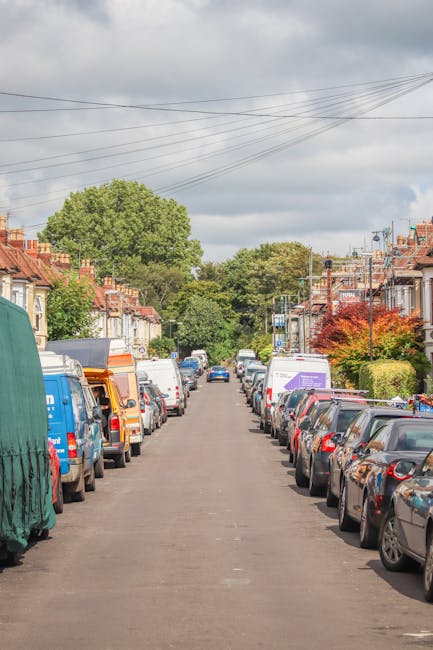
Camden Council parking permits for removals in West Hampstead

If you are moving home or office in West Hampstead, parking can become the part of the day that quietly ruins everything. The van is ready, the sofa is half out the door, and then you realise there is nowhere legal to stop. That is exactly why Camden Council parking permits for removals in West Hampstead matter so much. Get the parking side sorted early and the whole move feels calmer, faster, and far less stressful.
This guide explains how removal parking works in plain English, why it matters in a busy London neighbourhood, and how to plan a smooth moving day without awkward last-minute surprises. You will also find a practical checklist, a comparison table, and a few real-world tips that save time. Truth be told, a little planning here goes a long way.
Why Camden Council parking permits for removals in West Hampstead matters
West Hampstead is one of those London areas where road space feels like a prized possession. Between resident bays, permit-controlled streets, loading restrictions, yellow lines, busier junctions, and the plain fact that other drivers also need access, a removals vehicle cannot just pull up anywhere. If you turn up without planning, the move may still happen, but it tends to happen with extra walking, extra lifting, and extra pressure on everyone involved.
That matters for a few reasons. First, a removal team needs close access to the property. Even a few extra metres can make a difference when carrying bulky furniture, boxes, or white goods. Second, illegal or unsuitable parking can attract penalties or complaints. Third, a badly positioned van can block neighbours, slow down building access, or create tension with loading schedules. Nobody wants to begin moving day by blocking someone else's morning. Not ideal.
For many people, the parking question is not really about a permit alone. It is about coordination. If you are using a man and van style service, a full home move, or a tighter flat move, the parking setup shapes how smooth the day feels. It is one of those behind-the-scenes details that, once sorted, makes the rest look easy.
Expert summary: The safest approach is to treat parking as part of the move itself, not as an admin task to leave for the morning of collection. Sort access, loading space, and timing together, and you remove a huge chunk of moving-day stress.
How Camden Council parking permits for removals in West Hampstead works
In simple terms, a removal parking permit or dispensation is there to give a vehicle permission to stop where it normally would not be able to, or to use a restricted bay for a specific moving purpose. The exact rules depend on the street, the type of restriction in place, and how long the vehicle needs to stay. Camden's streets are not all the same, which is why a one-size-fits-all assumption tends to go wrong.
The key thing to understand is that parking for removals usually involves more than just "finding space." You need to know whether the address sits in a permit-only bay, whether loading is allowed, whether a bay suspension is needed, and whether the vehicle size fits the spot available. A small van and a larger moving truck are not treated the same way, and they definitely do not behave the same once they arrive on a narrow street with traffic behind them.
In practice, you should think about four moving parts:
- the property location and road restrictions
- the size and type of vehicle being used
- how long loading or unloading will take
- whether access needs to be reserved in advance
If you are arranging a larger move, parking planning often sits alongside wider logistics such as removal services, removals, packing support, and delivery timing. For example, a sixth-floor flat with no lift is a very different parking challenge from a ground-floor house move. You already know that, of course, but it is surprising how often people only realise it when the van has arrived.
One important note: parking rules can change, and council procedures can vary depending on whether you need a temporary parking arrangement, a loading exemption, or a suspension of a bay. Because of that, the safest move is to check the current Camden Council process before the moving date. Do not rely on memory from a previous street or a neighbour's experience. Close, but not quite the same thing.
Key benefits and practical advantages
When the parking side is handled well, the rest of the removal tends to follow suit. It is not glamorous, but it is efficient, and moving day is one of those moments when efficiency feels glorious.
- Less carrying distance: The team can load and unload closer to the property, which saves time and energy.
- Reduced risk of delays: No wandering around the block looking for a legal stop while boxes sit on the pavement.
- Better protection for items: Fewer handovers and shorter carrying routes generally lower the chance of knocks and scrapes.
- More accurate scheduling: A well-planned parking setup helps your move stay on time, especially if other appointments follow.
- Less stress for neighbours and building managers: Nobody enjoys a van sitting awkwardly across a shared access point.
There is also a commercial benefit that people sometimes miss. If you are comparing providers, a team that understands local parking conditions can often give more realistic timing and loading advice. That matters whether you need flat removals, house removals, or office removals. A move does not just need muscle; it needs good judgement.
In our experience, the biggest advantage is peace of mind. Once the parking plan is confirmed, the whole morning feels less chaotic. You can focus on labels, keys, fragile items, and that one drawer everyone pretends does not exist.
Who this is for and when it makes sense
Camden Council parking permits for removals in West Hampstead are relevant for anyone who needs a vehicle to stop legally and practically close to a property on a controlled street. That includes tenants, homeowners, landlords, letting agents, office managers, and anyone coordinating a furniture delivery or bulky-item clearance.
It especially makes sense if:
- your street has resident-only or permit-controlled parking
- the van needs to stay for longer than a quick drop-off
- there are yellow lines or loading limits nearby
- you are moving from a busy road or a terrace with limited frontage
- you need to coordinate multiple trips
- you are moving a heavy or awkward item such as a piano or wardrobes
For students, the parking challenge can be a bit deceptive. The move might be small, but student accommodation often sits on busy streets, in converted buildings, or near tighter access points. A compact job can still benefit from proper parking planning, especially if you are using student removals or a flexible removal van service.
It also makes sense if you are splitting a move over two days and storing items temporarily. In that case, the parking arrangement for the first collection and the final delivery may be different. If you need a holding solution, storage can be part of the wider plan. Sometimes that is the sensible thing. No drama, just logistics.
Step-by-step guidance
If you want the easiest possible route, use this sequence. It is the kind of thing you can work through with a cup of tea before the boxes start multiplying.
- Check the property street and access conditions. Look at whether the road is controlled, whether there is a bay outside, and whether the vehicle can stop close enough for loading.
- Confirm the vehicle type. A small van, long-wheelbase van, or truck may each have different practical parking needs. This affects the permit or suspension request.
- Estimate loading time honestly. Be realistic. A one-bed flat with stairs, awkward furniture, and packed wardrobes takes longer than you think. Everyone underestimates this once.
- Plan the exact loading point. Which side of the road works best? Is there a safer place for the ramp or trolley? Can the van door open fully?
- Check whether a permit, dispensation, or bay suspension is needed. Use the current Camden Council process for the address in question. If you are unsure, treat that as a prompt to verify rather than guess.
- Build in a buffer. Parking applications and approvals may not be instant, and moving days rarely follow the script.
- Share the plan with your removals team. This is where good communication matters. A reliable crew can work with the access available, but only if they know what they are arriving to.
Here is the part many people skip: tell the team about lifts, security doors, tight corners, or any loading restrictions at both ends. A move from West Hampstead to somewhere else in London may need parking planning on both properties, not just one. That small detail can save you a whole headache later.
Expert tips for better results
There are a few practical habits that make a noticeable difference. Nothing fancy. Just the sort of common-sense stuff that experienced movers and organised clients tend to do well.
1) Plan parking before packing is finished. It sounds backwards, but it helps. Once parking is fixed, you can pack with clearer timing in mind. If the van can only stop for a limited period, you will pack differently than if you have a reserved bay right outside.
2) Use the quietest sensible time slot. Early starts are not everyone's favourite, but they can help in busier streets where traffic and parking competition build through the day. A moving van arriving at 8am feels very different from one arriving after school run traffic and morning deliveries have piled up.
3) Keep a backup plan. Suppose the outside space is taken when the vehicle arrives. What then? Decide in advance who will direct the driver, where they can wait briefly, and how the team will adapt. Simple, but useful.
4) Match the vehicle to the job. A vehicle that is too large can be hard to park; one that is too small can mean extra journeys. The sweet spot depends on the contents, access, and street layout. That is why the vehicle choice matters as much as the paperwork.
5) Speak up about awkward items. If you have a piano, oversized wardrobe, or bulky sofa, say so early. Services like piano removals or furniture removals often need more space and a more careful loading sequence than standard boxes.
And a small human aside: if you are already overwhelmed, that is completely normal. Moving day has a way of making ordinary people feel like amateur logisticians. You are not alone there.
Common mistakes to avoid
Most parking problems do not come from bad luck. They come from a missed detail. Usually something small, which is annoying because it feels so preventable after the fact.
- Leaving parking until the last minute. This is the big one. If the van arrives before the parking plan is settled, the schedule becomes messy very quickly.
- Assuming "it will be fine on the day." In a dense area like West Hampstead, that assumption can cost time and money.
- Forgetting the return leg. You may need access again if the move is split, if more items are in storage, or if the team has to come back for a second load.
- Not measuring access properly. A street may look wide enough until the van is actually there and doors, ramps, or tail lifts need room.
- Ignoring building rules. Some flats, estates, and office buildings have their own requirements for access, waiting, or loading zones.
- Using the wrong service level. A simple van hire is not always enough. Sometimes you need a full removal service with proper planning, loading support, and timed coordination.
There is also a subtle mistake people make with communication. They tell the removals team the address, but not the access quirks. A rear entrance, a basement flat, a locked gate, or a tight turning circle can change the whole approach. That stuff matters. A lot more than people expect.
Tools, resources and recommendations
You do not need a fancy toolkit to handle removal parking well, but a few practical items and habits help.
- Printed or saved moving plan: Keep the address, time window, contact numbers, and any parking notes together.
- Measuring tape: Handy for checking whether a van can get close enough to the kerb or entrance.
- Labelled boxes: Helps reduce time outside the property and speeds up loading.
- Clear route inside the property: Hallways, doorways, and stairwells should be free of clutter so the team can move quickly once parked.
- Quote and booking details: Keep the moving agreement easy to find, especially if you are comparing options such as man with a van, man with van, or a larger removal crew.
If you are looking for extra preparation help, packing and boxes and packing and unpacking services can reduce how long the vehicle needs to stay parked. That is not just convenient; it can be the difference between a tidy collection and a scramble.
Also, check your own paperwork. If you are booking a move, look at the company's terms and conditions, insurance and safety, and pricing and quotes information so you understand what is included and what is not. That is just sensible, really.
Law, compliance, standards, or best practice
Parking for removals sits in a space where common sense, council controls, and road safety all overlap. You do not need to become a parking-law expert, but you do need to respect the restrictions that apply on the street and make sure the move does not create avoidable obstruction.
Best practice generally means:
- checking the latest local parking restrictions before the move
- using only the access arrangement that matches the street and vehicle
- avoiding blockages, unsafe stopping, or pavement obstruction where possible
- allowing enough time for loading without rushing or improvising
- ensuring the removals team understands any site-specific instructions
If your move involves a commercial property, there may also be building management rules or business access procedures to follow. In those cases, commercial moves often need tighter scheduling than a standard home move. An office building may have loading bay rules, concierge instructions, or limited access hours, and those details should be agreed in advance.
For safety, it is wise to think about trip hazards, ramp placement, vehicle doors, and the handoff between property entrance and vehicle. If a moving team is carrying heavy items, the route needs to be clear and stable. You might not notice the small lip at the doorway until a trolley wheel catches it. Then everyone notices it. Fast.
Options, methods, or comparison table
There are a few ways to handle parking for removals in West Hampstead. The best choice depends on the size of the move, the street layout, and how much time you have before the move date.
| Method | Best for | Pros | Watch-outs |
|---|---|---|---|
| Standard legal roadside parking | Short, simple moves on less restricted streets | Quick if space is available; no extra arrangement needed | Space may be unavailable; can be unreliable in busy areas |
| Permit or dispensation-based arrangement | Controlled streets and timed loading needs | More predictable access; helps keep the van close | May require advance planning and correct application details |
| Bay suspension or reserved loading space | Moves needing guaranteed frontage access | Strongest control over where the van can stop | Not always necessary; must match the street conditions properly |
| Split move with storage | Moves involving staged deliveries | Can reduce pressure on moving day; gives flexibility | Needs careful coordination across multiple trips |
If you are not sure which route suits you, a practical conversation with a removals provider usually helps more than guessing. Sometimes a small van and timed access is enough. Sometimes it is worth using a bigger setup, especially if the contents are bulky or you have strict time limits. There is no prize for overcomplicating it.
Case study or real-world example
Here is a typical West Hampstead-style scenario. A couple are moving out of a third-floor flat on a narrow residential street. They have a sofa, bed frame, several boxes, a mirror, and the usual "we thought we had fewer things" surprise. The street has controlled parking, and the closest free space is not exactly close. On a busy weekday, that would mean a lot of carrying and a lot of waiting.
Instead of hoping for the best, they plan ahead. They check the street restrictions, arrange the appropriate parking access, and tell the removals team about the building's entrance and stairwell width. They also keep the route from the front door to the van as clear as possible. The team arrives, parks sensibly, loads efficiently, and finishes on time. No drama. No circling the block. No frustrated neighbour peering through the curtain at 9:15 in the morning.
That kind of move is not unusual. It is just what happens when the parking and access plan is treated as part of the job rather than an afterthought. A small detail, yes. But it changes the whole feel of the day.
Practical checklist
Use this checklist the week before the move. If you want, print it. Old-fashioned, perhaps. Also effective.
- Confirm the full moving date and time window
- Check the street restrictions at both properties
- Decide whether a permit, dispensation, or bay suspension is needed
- Share the parking plan with the removals team
- Confirm vehicle type and estimated loading time
- Measure awkward access points if needed
- Keep hallways, stairs, and entrances clear
- Label fragile and heavy items clearly
- Prepare keys, fobs, and building access details
- Have a backup contact number ready on the day
- Review the booking, payment, and safety details in advance
Quick takeaway: the more predictable the parking and access, the calmer the move. Simple as that.
If you are comparing moving support, it can also help to review the kind of assistance you actually need. For a smaller job, a man and van setup may be enough. For heavier or more complex moves, a broader removal company approach might suit you better.
Conclusion
Camden Council parking permits for removals in West Hampstead are really about making moving day workable. Once the parking side is aligned with the road restrictions, vehicle size, and loading needs, everything else becomes easier to manage. You save time, reduce stress, and give yourself a much better chance of a clean, efficient move.
That is the heart of it. Not paperwork for its own sake, but a practical way to keep the day moving. West Hampstead is busy, Camden streets can be tight, and moving furniture is hard enough without adding parking chaos to the mix. Sort the access early, and you will feel the difference straight away.
Get a free quote today and see how much you can save.
And if you are still at the stage of weighing up options, take your time. A well-planned move has a calmer rhythm, and honestly, that makes all the difference.
Frequently Asked Questions
Do I need a Camden Council permit for removals in West Hampstead?
Often, yes, if the road has parking restrictions, resident bays, or limited loading space. The exact need depends on the street, the vehicle, and how long you need to stop. Always check the current local requirements rather than assuming the space outside will be fine.
Is a parking permit the same as a loading exemption?
Not always. A permit, dispensation, or loading arrangement may serve different purposes depending on the street controls. For removals, the right option depends on whether the vehicle is parking, loading, or briefly stopping in a restricted area.
How far in advance should I sort parking for a move?
As early as you can. A few days may be enough for simple arrangements, but more complex moves benefit from more lead time. If the street is busy or the access is awkward, do not leave it until the day before. That is asking for trouble, to be fair.
Can a removal van stop on double yellow lines?
Usually not unless a specific exemption or loading arrangement applies and the situation fits the local rules. Never assume that a moving job automatically allows stopping anywhere. The street restrictions still matter.
What if there is no space directly outside my property?
Your team may need to park a little further away and use trolleys or extra carrying time. That is workable, but it is slower and less convenient. If possible, plan for the nearest legal stop or arrange something more controlled in advance.
Does the size of the van affect the parking plan?
Yes, absolutely. A small van, long-wheelbase van, and larger truck all need different amounts of space and may fit different loading spots. The vehicle choice should match both the volume of belongings and the street access.
What if I am moving from a flat with stairs and no lift?
Then parking becomes even more important. If the team has to carry items down multiple floors, the van should be as close as is legally and safely possible. That helps protect the items and keeps the move from dragging on.
Can I handle parking myself, or should the removals company manage it?
It depends on the service and what you have agreed. Some clients prefer to manage the council side themselves, while others want the removals provider to advise on the best setup. The key is clarity. Who is responsible should be agreed before moving day.
Do office moves need different parking planning from house moves?
Usually yes. Offices often have building rules, loading bays, concierge procedures, or stricter access windows. A commercial move can be more structured, so parking and timing should be planned carefully.
What documents or details should I keep ready on the day?
Have the move booking, contact numbers, parking notes, and building access details easy to find. It also helps to keep keys, permits, and any instructions for the driver or team together in one place.
What is the biggest mistake people make with removal parking?
Leaving it too late. The second biggest? Assuming the street will somehow sort itself out. It rarely does. Parking is one of those unglamorous tasks that pays off massively when handled early.
Where can I get help if I also need packing, storage, or a smaller van?
If you need support with preparation, packing and boxes, packing and unpacking services, and storage can make the move more manageable. For a lighter job, a smaller removal van or flexible man with a van option may be the right fit.